
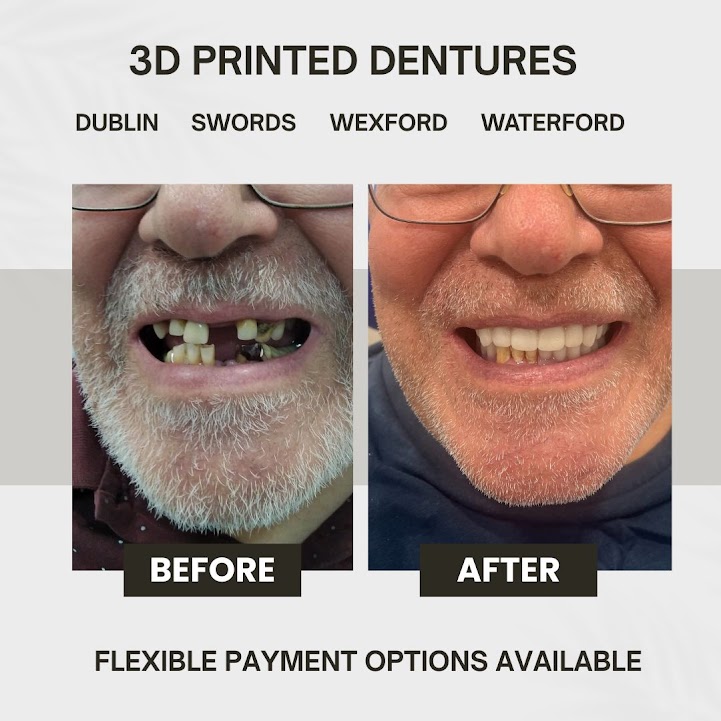
A denture should do more than fill a gap in your smile. It needs to work with your mouth when you speak and eat. Dentaltech’s original article highlighted the care that goes into individual fitting; that remains the starting point for a comfortable, useful denture.
A fit designed around your mouth
Your mouth’s shape, remaining teeth, bite and expectations all matter. Accurate records help the clinician and laboratory plan the denture’s shape and how the teeth meet.
Dentaltech’s original article describes custom trays and detailed impressions as part of this work. Your own clinician will explain the records and techniques suitable for your treatment rather than assuming one method suits everyone.
Why fitting involves more than one check
Conventional denture construction can involve initial and detailed impressions, a bite record, a trial stage and final fitting. At the trial stage, you can discuss appearance and the proposed tooth position before the denture is completed.
Follow-up adjustments are also part of care. There is no guarantee that a new denture will feel completely natural immediately, and individual anatomy can limit stability.
Where denture adhesive fits in
A suitable adhesive can help retention in some circumstances when used as directed. It is not a repair for a broken denture and should not replace assessment of a poor fit.
If you need increasing amounts, or your denture remains loose, arrange a review. Use only an appropriate denture product, follow the instructions and ask your clinician which option suits you. Household glue is never a denture fixative.
When your denture needs a review
Book a fit check if your denture slips, clicks, rocks or causes sore areas. Changes in your gums and jaw, wear and damage can affect a previously comfortable fit.
Depending on the assessment, the answer may be an adjustment, relining, repair or replacement. A loose denture does not automatically mean that a new one is the only option.
Working towards comfortable everyday use
Tell your clinician what matters most to you: eating, speech, appearance or confidence in social situations. Ask about the likely stages, costs and follow-up care before treatment.
A well-planned denture still needs regular review. The goal is a fit suited to your mouth and needs, with support when those needs change.
Frequently asked questions
Answers to common questions about fit, comfort and adhesive.
Does a well-fitting denture ever need adhesive?
Some people benefit from a suitable denture adhesive. Use it as directed and seek advice if you need more to compensate for loosening.
Will a new denture never move?
Removable dentures can have limitations. Stability depends on your mouth, the denture design and how you adapt to it.
Does a loose denture always need replacing?
No. A clinician may recommend adjustment, relining or replacement depending on its fit and condition.
What is a trial fitting for?
It gives you and the clinician a chance to assess the proposed tooth arrangement and appearance before completion.
Can I tighten the clasps myself?
No. Ask your treating team to check and adjust them professionally.
Should I put up with persistent soreness?
No. Arrange a review rather than modifying the denture yourself.
Further reading: Denture adhesives (FDA) and Complete denture treatment stages (Leeds Teaching Hospitals NHS).
Discuss your denture fit
Our team can assess your dentures and help you understand the options for comfort, stability and appearance.