Care of your dentures

Your denture is made for your mouth and plays a part in eating, speaking and smiling. A consistent care routine helps keep it clean and gives you a chance to notice problems early.


Your denture is made for your mouth and plays a part in eating, speaking and smiling. A consistent care routine helps keep it clean and gives you a chance to notice problems early.
The best denture for you needs to balance fit, function and appearance. Your remaining teeth, gums and everyday needs matter more than choosing a material from a description alone.
Losing one tooth does not mean you will inevitably lose the others. A gap can affect appearance, eating or the position of neighbouring teeth, but the right response depends on your mouth and why the tooth was lost.
In Dentaltech’s 2020 reflection, Clinical Dental Technician Mario Viveros described patients who had put off seeking help with their dentures. Its message still matters: you can talk about discomfort, worries and what you would like to change.
A first dental visit is an opportunity to build familiarity and ask questions before a problem develops. A calm introduction, simple explanations and support from a parent can help your child feel more comfortable.
A dental bridge is one option for filling a gap left by missing teeth. It is fixed in place and can support appearance and chewing. An assessment helps establish whether a bridge suits your mouth and how it compares with other options.
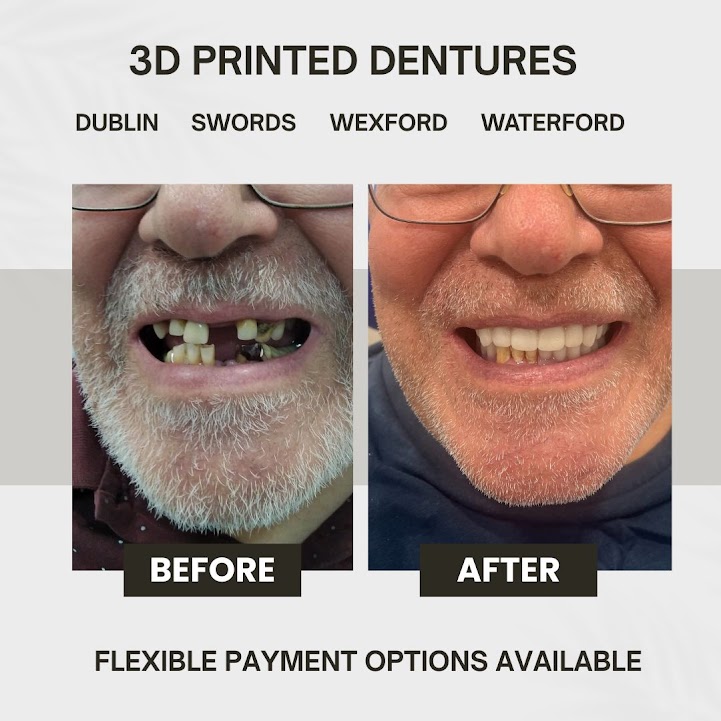
Your dentures spend hours in your mouth each day. A regular cleaning routine helps remove food, plaque and deposits, while protecting comfort and oral health. The right method depends on the materials in your denture.
Healthy gums support your teeth. Gum disease can develop with little discomfort, so bleeding, swelling or a change in how your teeth feel should be checked. This short guide explains the difference between early inflammation and deeper damage.
Fluoride helps protect teeth against decay. It is used in everyday toothpaste and in treatments recommended by dental professionals. Here is how it works, what an appointment may involve and why the right plan depends on your needs.
Bleeding or swollen gums deserve attention, even when they do not hurt. Gingivitis is inflammation of the gums, commonly triggered by plaque around the teeth. Recognising the signs and getting the right advice can help you protect your smile.