
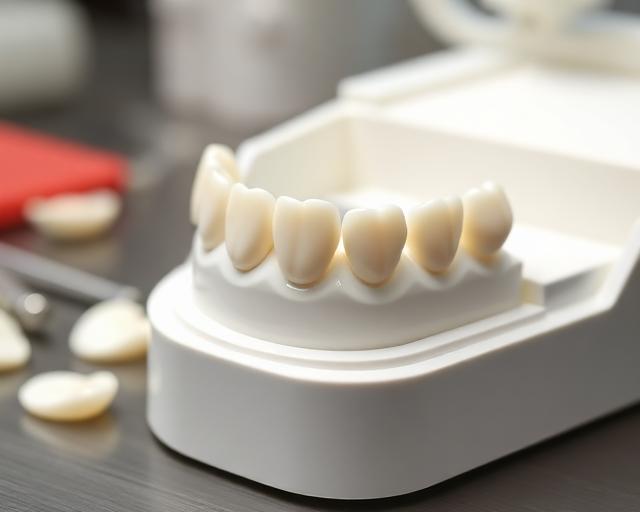
Composite veneers use tooth-coloured resin to improve the appearance of the front surfaces of teeth. They can be an option for small chips, uneven shapes, gaps or discolouration. A consultation helps establish whether they suit your teeth and the result you want.
What are composite veneers?
Your dentist shapes composite resin over the tooth surface, then hardens and polishes it. The shade and shape are planned with you so the result fits your smile.
Veneers usually cover more of the visible tooth surface than a small area of composite bonding. Both use resin, but the amount and position of the material depend on the changes being made.
Composite or porcelain: what is the difference?
Composite is commonly shaped directly on the teeth. Porcelain veneers are usually made in a laboratory. The preparation, number of appointments, cost and maintenance differ.
Composite may offer a more conservative approach in suitable cases, but it can chip or stain and may need polishing or repairs. Porcelain often lasts longer. Your dentist can explain the options for your bite and smile.
What to expect at your consultation
Your dentist checks your teeth and gums, listens to your goals and discusses shade, shape and alternatives. Decay or gum problems should be addressed before cosmetic treatment.
Some teeth need little preparation; others require changes to the tooth surface. Ask what is involved before you commit. Whether removal is possible without altering the tooth depends on the preparation used, so reversibility cannot be promised for every case.
The appointment plan and any need for anaesthetic depend on the treatment. You will receive a personalised plan and quote.
Caring for composite veneers
- Brush twice daily with fluoride toothpaste and clean between your teeth.
- Avoid biting hard objects or using your teeth to open packets.
- Attend regular dental checks and follow your dentist’s maintenance advice.
- Ask about protection if you grind your teeth.
Whitening does not lighten composite resin. If you want a lighter shade, discuss whitening before treatment so the final colour can be planned.
Frequently asked questions
Answers to common questions about composite veneers and aftercare.
What are composite veneers?
They are tooth-coloured resin coverings used to change the appearance of the front surfaces of teeth.
How long do composite veneers last?
Their lifespan varies with the amount of resin, your bite and maintenance. They may need polishing, repair or replacement over time. Your dentist can explain what to expect for your case.
What is the difference between composite and porcelain veneers?
Composite is commonly applied and shaped directly on the teeth. Porcelain veneers are usually laboratory-made. They differ in preparation, durability, cost and maintenance.
Is the treatment painful?
Many cases involve little preparation, but comfort and the need for anaesthetic depend on the work required. Your dentist will discuss this with you before treatment.
Can I whiten my teeth after getting composite veneers?
Whitening does not change the colour of composite resin. Discuss shade changes before treatment to help avoid a mismatch with your natural teeth.
How many visits will I need?
You will need an assessment and a treatment plan. The number and length of treatment visits depend on how many teeth are involved and the preparation needed.
Are composite veneers reversible?
Some cases require little or no tooth reduction, but others involve permanent changes. Ask your dentist about your individual preparation and the implications of future removal.
Further reading: Dental veneers (Cleveland Clinic).
Explore the options for your smile
Book a consultation to discuss your goals and suitable treatment. You can also read about composite bonding at Dentaltech.