
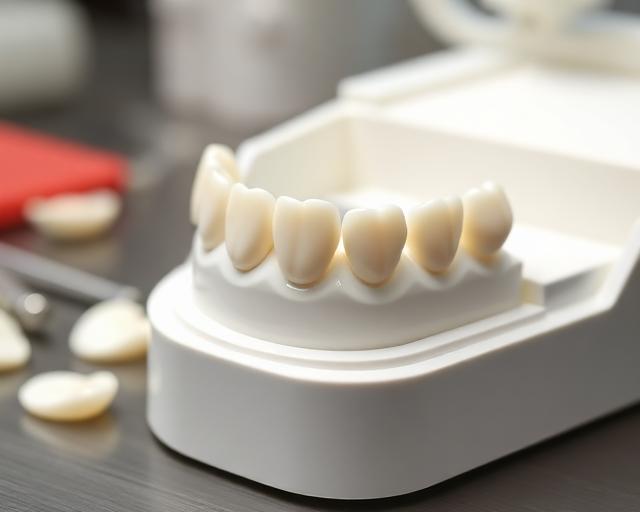
White spots can appear for different reasons, so the right approach starts with finding the cause. Some are a change in how enamel developed; others can be an early sign of mineral loss and decay. These eleven tips cover both dental treatment options and everyday prevention.
What causes white spots?
Fluorosis can leave pale markings when teeth develop during childhood. Enamel development defects can also affect the appearance of teeth. A different cause is demineralisation: enamel loses minerals and may look chalky, sometimes around braces where plaque is difficult to remove.
A photograph alone cannot tell you which cause applies. New, changing or sensitive spots should be assessed by a dentist.
1. Have the cause checked first
Book an examination before choosing a cosmetic treatment. The dentist will check whether a spot reflects active decay, an enamel defect or a stable cosmetic change. Protecting the tooth comes before changing its appearance.
2. Brush with fluoride toothpaste
Brush for around two minutes twice a day, including before bed. Fluoride helps protect enamel and can support the reversal of early mineral loss. It does not grow back missing enamel.
3. Spit after brushing
Spit out excess toothpaste rather than rinsing immediately with water. This keeps fluoride on your teeth for longer. If you use mouthwash, use it at a different time.
4. Clean between your teeth
Use floss or interdental brushes as advised by your dental team. Cleaning around brackets and wires is especially important during orthodontic treatment. Ask for a demonstration if access is difficult.
5. Reduce frequent sugary snacks
Repeated exposure to sugar allows plaque bacteria to produce acid that removes minerals from enamel. Keep sugary foods and drinks to mealtimes where possible rather than grazing throughout the day.
6. Ask about professional fluoride
Your dentist may recommend a fluoride treatment or a tailored preventive plan for early mineral loss. Whether the colour changes depends on the cause and depth of the spot; stronger enamel does not always mean a spot disappears.
7. Discuss microabrasion
This professional technique removes a very thin surface layer of enamel to improve suitable superficial markings. It is not appropriate for every spot and should only follow assessment.
8. Ask whether resin infiltration is suitable
A dentist may consider resin infiltration for selected white-spot lesions. It can make some spots blend more closely with surrounding enamel. Results vary, and availability should be discussed with your treating dentist.
9. Assess whitening carefully
Whitening changes tooth colour but does not treat decay. It may change how obvious a spot looks and can cause sensitivity. Have your teeth and gums checked before considering it; avoid starting a whitening routine to cover an unexplained new spot.
10. Consider bonding or veneers only when needed
Composite bonding or veneers may disguise persistent markings in suitable cases. Discuss less invasive options first, along with maintenance, replacement and any tooth preparation involved.
11. Keep a review plan
Attend the review appointments your dentist recommends. Report new spots, sensitivity or surface changes. For children, ask about age-appropriate toothpaste amounts and supervise brushing to reduce swallowing.
A treatment plan should address the cause of the spots as well as your goals for your smile.
Frequently asked questions
Answers to common questions about white spots and enamel care.
Are white spots always tooth decay?
No. Enamel development changes and fluorosis can also cause white markings. A dentist can distinguish these from early mineral loss.
Can white spots improve without cosmetic treatment?
Some early mineral-loss lesions can improve with fluoride and better plaque control. Their appearance may not disappear completely, and other types of spots need a different approach.
Does fluoride grow new enamel?
No. It helps replace minerals in early decay and protects existing enamel. It cannot regrow enamel that has been physically lost.
Can braces cause white spots?
Plaque can collect around brackets if cleaning is difficult. This can lead to mineral loss. Ask your dental team how to clean thoroughly during treatment.
Will whitening remove every white spot?
No. Whitening is not a guaranteed solution and does not treat the underlying cause. Your dentist should assess suitability first.
Should I stop using fluoride toothpaste?
Do not abandon fluoride toothpaste because of a white spot. Fluorosis develops while teeth are forming in childhood; ask your dentist about the right toothpaste and amount for your age.
Further reading: The tooth decay process (NIDCR), Fluorosis (American Dental Association) and Research on resin infiltration for white spots.
Find out what your white spots mean
A dental check-up can identify the cause and help you choose a suitable plan for healthy teeth and a confident smile.