
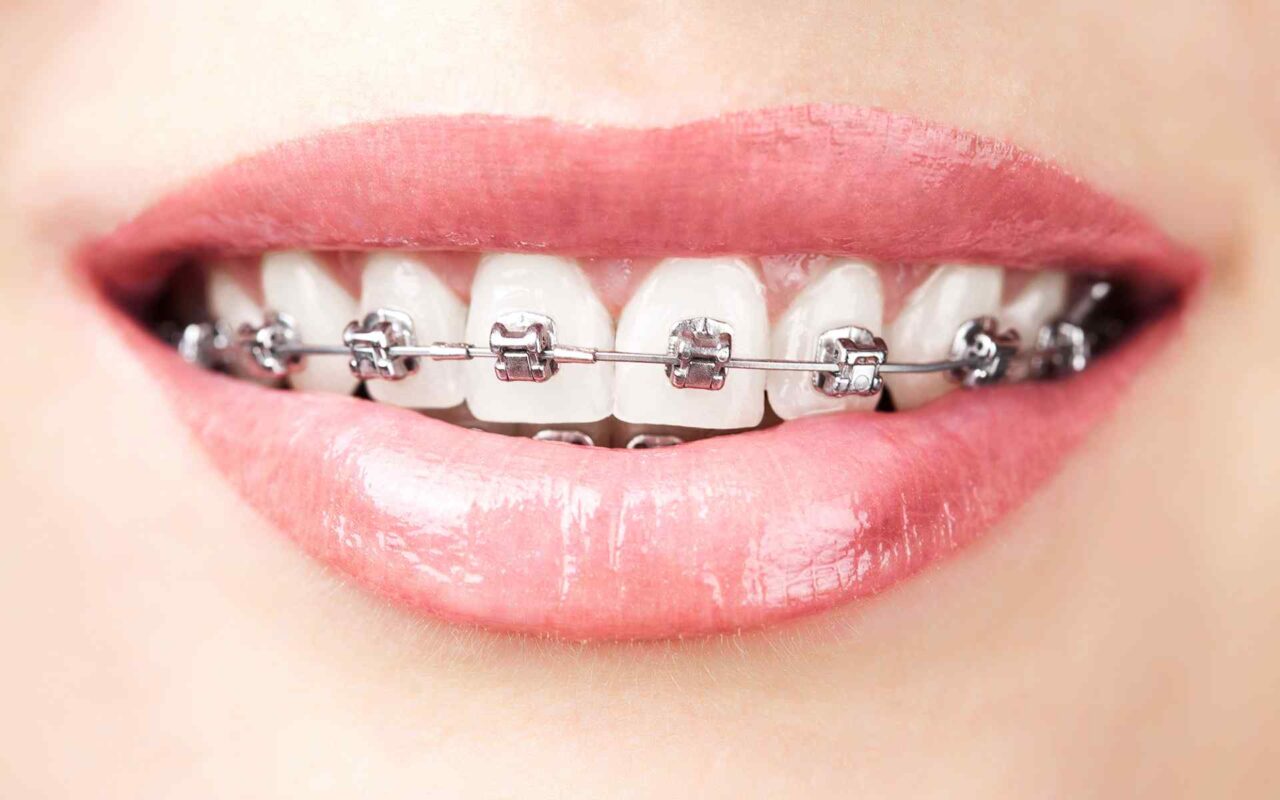
Tooth enamel faces pressure every time you chew, as well as changes in temperature and acidity. Unlike skin or bone, lost enamel cannot grow back. So how can it withstand decades of use? Part of the answer lies in its remarkable microscopic structure.
The hidden structure of enamel
Enamel contains tightly packed mineral crystals, mainly carbonated hydroxyapatite. Many are bundled into structures known as enamel rods. The crystals are measured in nanometres, while the rods are much larger.
In a 2019 study published in Nature Communications, researchers used advanced imaging, including polarisation-dependent imaging contrast mapping, to examine how the crystals are oriented inside human enamel.
Why crystal orientation matters
The team found that neighbouring crystals were not all oriented identically. Small differences in their orientation, together with enamel’s larger-scale organisation, contribute to its resilience.
Computer simulations showed that these differences can deflect cracks rather than letting them travel straight through the material. This helps explain why enamel can resist repeated chewing forces. It does not mean enamel is unbreakable or that every tooth will remain intact for life.
Strong enamel still needs protection
Acids in food and drinks can wear away enamel through erosion. Acids produced by bacteria when they use sugars can also contribute to tooth decay. These are different processes, but both can damage teeth.
Early mineral loss can sometimes be reversed through remineralisation. That is different from growing back enamel that has already been physically lost. Sensitivity or a visible change in your teeth is a reason to arrange an assessment.
Habits that help protect your teeth
- Brush twice daily with fluoride toothpaste.
- Clean between your teeth every day.
- Limit frequent sugary snacks and acidic drinks; avoid sipping them throughout the day.
- Drink water and maintain regular dental checks.
- Discuss persistent sensitivity, tooth wear or grinding with your dentist.
Your dental team can help identify whether a change is due to decay, erosion, wear or another cause and recommend suitable prevention.
Frequently asked questions
Answers to common questions about enamel strength and protecting your teeth.
What is tooth enamel?
It is the highly mineralised outer covering of the visible part of a tooth. Its structure helps it withstand chewing forces.
Can enamel grow back?
No. Enamel that has been physically lost cannot grow back. Early mineral loss may be helped by remineralisation, which is a different process.
How does enamel resist cracking?
Its organisation from tiny crystals up to larger rods helps resist damage. Research shows that small differences in crystal orientation can deflect cracks.
Does the research mean teeth are indestructible?
No. The research helps explain enamel’s resilience, but teeth can still crack, wear down, erode or develop decay.
How does fluoride help?
Fluoride supports remineralisation and helps protect enamel against decay. Use fluoride toothpaste and ask your dentist about any additional prevention you may need.
When should I get enamel changes checked?
Arrange a dental assessment for persistent sensitivity, chips, unusual wear or changes in appearance. A dentist can identify the cause and explain the options.
Further reading: The hidden structure of human enamel (Nature Communications, 2019) and Dietary acids and your teeth (American Dental Association).
Protect your smile for the years ahead
Book a dental check-up to discuss sensitivity, tooth wear and a prevention plan tailored to you.